
Contact Lenses are a great option in addition to glasses to correct vision!
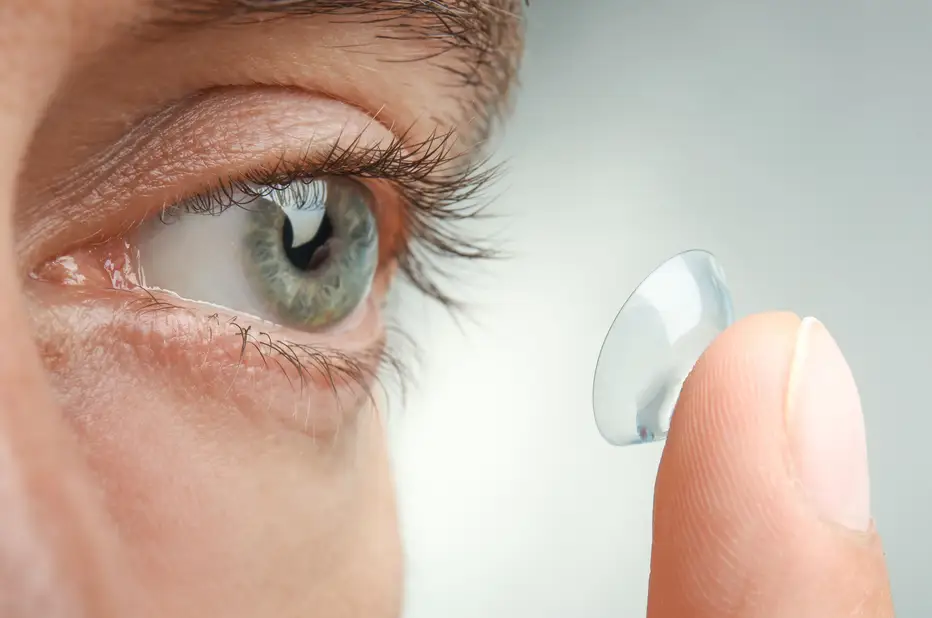
If you have never worn contact lenses before, the idea of putting a lens directly on your eye can be intimidating. Don't worry! We can help you learn, and we want you to have a good experience! An initial contact lens fit may be completed during your comprehensive eye exam or it might make more sense to have you come back for a follow-up visit to work on contacts. We will teach you how to put the lenses in, take them out, and take care of them to reduce your risk of any complications. We will also assess the fit, comfort, and vision of your contacts and answer any questions.
If you have worn contact lenses in the past, but don't anymore there may be new contact lenses that can work very well for you. Contact lens options are constantly improving and our practice offers cutting edge treatment options that can significantly improve your vision and comfort with contacts. Below are a few common options.
Common types of standard soft contact lenses include "daily lenses" which are meant to be put in your eyes at the beginning of the day and removed before sleeping and discarded. They can be very convenient, comfortable, and healthy for your eyes as you are getting a fresh lens each day. Their are also lenses designed to be worn longer such as a "monthly lens" that you still remove nightly and store in fresh contact lens solution but only replace each month. Their are also biweekly and weekly lenses to consider. Each type of lens has pros and cons which we will discuss with you.
Options to correct distance and near vision... As many of you know, at some point after the age of 40 everybody requires a difference in correction for the distance and up close. Don't worry, in contact lenses there are a few ways in which to do this!

Option 1: Continue to wear contact lenses in each eye that correct your vision for the distance and use reading glasses over the top of your contacts for the near vision. This works but requires reading glasses to be placed on and off throughout the day.
Option 2: Monovision is where we correct one eye for the distance and one eye for near in contact lenses. This is an awesome options for some people and doesn't work for others. We can simulate what this would be like during your exam to see if it might work.
Option 3: There are what we call "multifocal contact lenses" available! This technology is always advancing and can be an awesome solution, but they are not perfect. The way in which the optics of the lens works can allow for good functional vision at distance and near without glasses or reading glasses. The expectation for these lenses however is not to have perfect vision at every distance but rather functional vision at every distance. We can talk with you about these lenses and a great potential option for you.
The following is a video explaining to insert and remove soft contact lenses
These are some common options for contact lens wearers. We also fit specialty contact lenses for conditions such as Keratoconus. To learn more please visit our Specialty Contact Lenses page.
If your prescription or your child's prescription continues to increase year by year, there are proven treatments related to contact lenses that can slow down this progression. Please visit our Myopia Management page.
A good website with common questions and answers about contact lenses is found at this link.