
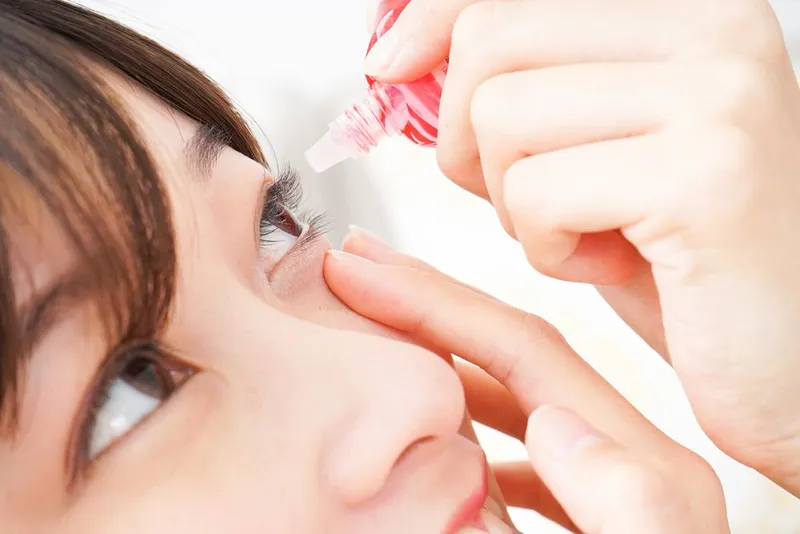
Because this is usually chronic in nature, many people are not aware that the challenges they are experiencing related to dry eye are abnormal but treatable.
Please take the following survey which has been used extensively in clinical studies to indicate the level of your dry eye related symptoms.
Causes of Dry Eye
Dry Eye Disease is multifactorial meaning there are so many different causes. To successfully treat your dry eyes, it is important to understand the root causes. We will look for these during a routine eye exam and discuss them with you. Depending on the severity or complexity of your dry eye issue, we may recommend a follow-up visit where we can evaluate these root causes in greater detail and have the time necessary to discuss what we find and recommend for treatment.
The reality of treating this condition is that each person's eyes are individual and unique. Over the counter eye drops certainly have their place in treatment, but they can sometimes be a band-aid that covers up the actual root cause. We will take the time to work with you on creating an individual treatment plan unique to your specific root causes and needs.
The following are a few of the common root causes we see with some common treatment options:
Meibomian Gland Dysfunction is the number one cause of Dry Eye disease. Meibomian glands line your eyelid margins and secrete an oil that should smear across the front surface of your eyes each time you blink. If there is not enough of this oil or if it is too thick in consistency, the liquid part of the tears can evaporate quickly leaving your eyes exposed and in pain. This happens when meibomian glands become plugged up with oil that hardens into a waxy deposit. If this occurs over a long period of time the glands themselves can be permanently damaged. This is a complex issue and can happen for a variety of reasons which we can discuss with you.
Initial treatment consists of finding a way to remove these waxy deposits so that the meibomian glands can begin to function properly. There are many ways to do this but they all revolve around applying heat and pressure. There are ways to do this at home with something called a warm compress which may or may not be effective. We have carefully and thoughtfully implemented an in-office procedure using radiofrequency technology in collaboration with eye doctors across the country that does a great job of applying heat and mild pressure to these glands in a very specific and controlled way. Please see more details about this treatment option on our RadioFrequency Dry Eye Treatment page
Rosacea is a common condition of inflammatory blood vessels that can wrap around meibomian glands which can contribute to meibomian gland dysfunction. This condition is commonly treated with an oral prescribed medication. This can also be effectively treated with an in office treatment called IPL. We don't currently have that device in our office but can discuss this option and make a referral for this treatment when needed.
Inflammation can occur for a variety of reasons and can be picked with a careful examination of your eyes. We can use a wide variety of prescription topical and oral medications to control inflammation within your eyes.
Eyelid disease can have a major impact on your dry eyes. This usually occurs due to bacterial infection called blepharitis or due to an overabundance of eyelid mites called Demodex. The idea that tiny little mites live within your hair follicles is alarming for many people, but this is true and everybody has them. If their is an overabundance of bacteria or demodex we can see that in our exam and prescribe appropriate medications or therapies to reduce the amount of these to restore balance to your eyelid health.
There are many other root causes of dry eye including: Nocturnal lagophthalmos (lid gaping), Aqueous deficiency, autoimmune disorders, medication related, nutrition related, and environmental factors amongst others. We do our best to thoroughly look into all of these so that you can have sustainable and lasting relief from dry eye related symptoms.
Dry eye disease can be frustrating to deal with on your own. We are excited and committed to working with you to find real solutions!
If you are having symptoms of dry eye, give our Brigham City Eye and Vision Care office a call today at (435) 723-2144 to schedule an appointment.