
At our clinic, we diagnose and treat a wide range of eye disease and injury. The following are a few of the common issues we see. If you have any concerns about the health of your eyes, please give us a call at (435) 723-2144.
Glaucoma is damage to the optic nerve that generally occurs over a long period of time which can significantly impact your vision. This generally affects peripheral vision before it affects central vision so that people with this condition are often not aware of any changes until irreparable damage has already been done. This condition is often inherited and is more common after the age of 40. The best thing you can do is catch this condition early on by completing yearly comprehensive eye exams where we check your eye pressure and inspect the optic nerve for signs of damage. If there is potential evidence of glaucoma, we will often complete additional testing and have follow-up visits as needed to gather as much information as we can before making a diagnosis. Treatment generally starts with eye drops to decrease eye pressure and can include in office procedures or referral for specialized surgical care.
Macular Degeneration is a common condition that affects the health of the retina and can impact your vision. It is often inherited and is more common after the age of 50. The state of the disease and it's impact can range from very mild to very severe. At the mild end of the spectrum, it is best to monitor this condition for progression with specialized imaging technologies that we have in our office called Optical Coherence Tomography or OCT. This imaging allows us to show you exactly what is going on and monitor closely for any progression. There are things you can do to reduce your risk of developing macular degeneration which include: avoid smoking, eat a healthy diet including leafy green vegetables, and wear UV protection when outdoors. If you have the disease, we will recommend these things as well as supplement called Preservision AREDS2 that you can take to reduce the risk of progression. If the disease does progress to a more severe form, we will work with you to see a retinal specialist that provides treatments indicated for the severe forms of this disease. These treatments often include injections of medications into the eye.
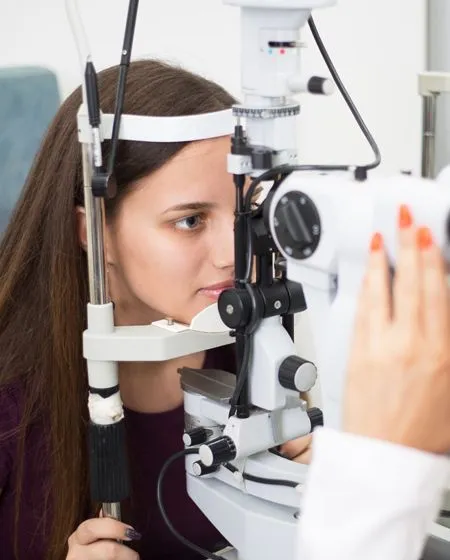
Diabetic Retinopathy can occur in individuals that have either type 1 or type 2 diabetes. Everybody that has a diagnosis of diabetes should receive a yearly eye exam with a thorough evaluation of the retina to determine whether diabetes is affecting your eyes. The retina is the interior back lining of your eye and is critical for your vision. Diabetes can damage blood vessels causing a leakage of blood into the retina resulting in damage that can present in a variety of ways ranging from very mild to very severe. The retina is the only place in the body where we can easily visualize actual blood vessels in detail in a non-invasive way. What we find in a diabetic eye exam is an indication of the health of the retina, but is also an indication of how diabetes may be affecting the rest of your body. We utilize a high resolution wide-field camera to take a picture of your retina so we can show you what is going on and track findings over time. Depending on your unique situation, we may recommend dilating your eyes. We may also utilize other imaging technologies to look for signs of swelling in the retina. We do all this to to thoroughly evaluate and explain things so that you can understand what is going on. After your appointment, we will send a letter to your primary care doctor or endocrinologist explaining what we found to help support you in managing your diabetes. Depending on the state of your retina, we may recommend additional treatments which we will discuss.
Cataracts are a very common condition that affects the clarity of your vision. At some point, every person will develop cataracts as this is a normal age related process that causes cloudiness in the natural lens within the eye. There are other types of cataracts that can be related to sun exposure, use of certain medications, or underlying health conditions. The cloudy lens acts similarly to a dirty windshield which causes a scattering of light. We can monitor cataracts with yearly eye exams and when it reaches a point where cataract surgery is beneficial, we will work with you to see a cataract surgeon to solve this issue. We work closely with several great surgeons in the area and will be happy to discuss what this process looks like including some of the post surgical care we often take part in.
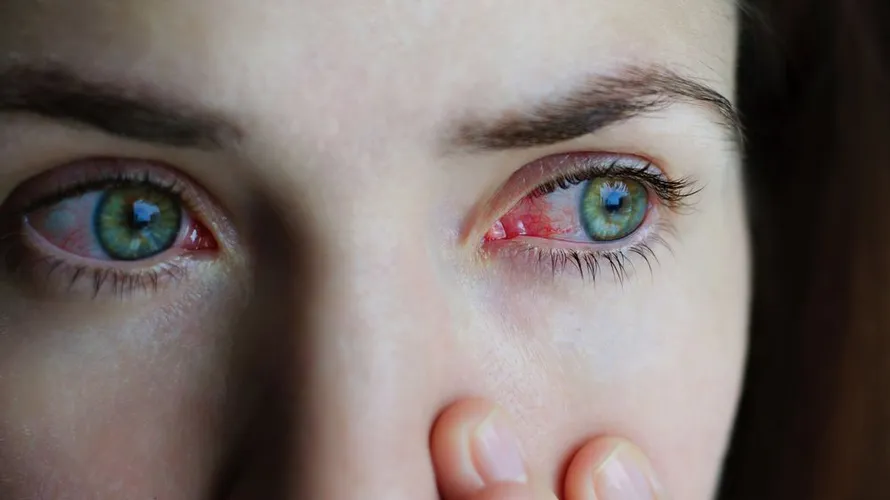
Red Eyes can occur for many different reasons including: Dryness, allergies, viral infections, bacterial infections, contact lens related issues, autoimmune disorders, or injuries. We perform a variety of tests to determine the root cause of the irritation. If your eyes are red or painful, please call us to schedule an appointment. We do our best to keep appointment slots open throughout the day so we can fit you in for an appointment to help increase your comfort and heal. We also provide emergency after hours services where you can reach us by calling the office number and following the option indicating after hours care. Please see our emergency services page for more information.
Keratoconus is a hereditary condition which affects the front surface of the eye called the cornea. It is indicated by a progressive thinning and bulging of the corneal tissue which can cause irregular and poor vision. We diagnose and monitor this condition with corneal topography technology which essentially creates a map of the front surface of your eye. If the keratoconus is actively progressing, we may recommend being referred to a corneal specialist for a procedure called corneal crosslinking which can reduce progression and provide better visual stability. Keratoconus can often impact vision in a way that cannot be fully corrected with conventional glasses or contact lenses. We provide services to fit specialty contacts which work by vaulting over the top of the irregular corneal surface essentially removing that irregularity within your vision. These lenses are amazing and can be lifechanging for people. Please see our Specialty Contact Lenses page for more information.
For more in-depth information regarding eye disease, please visit the conditions page of All About Vision.